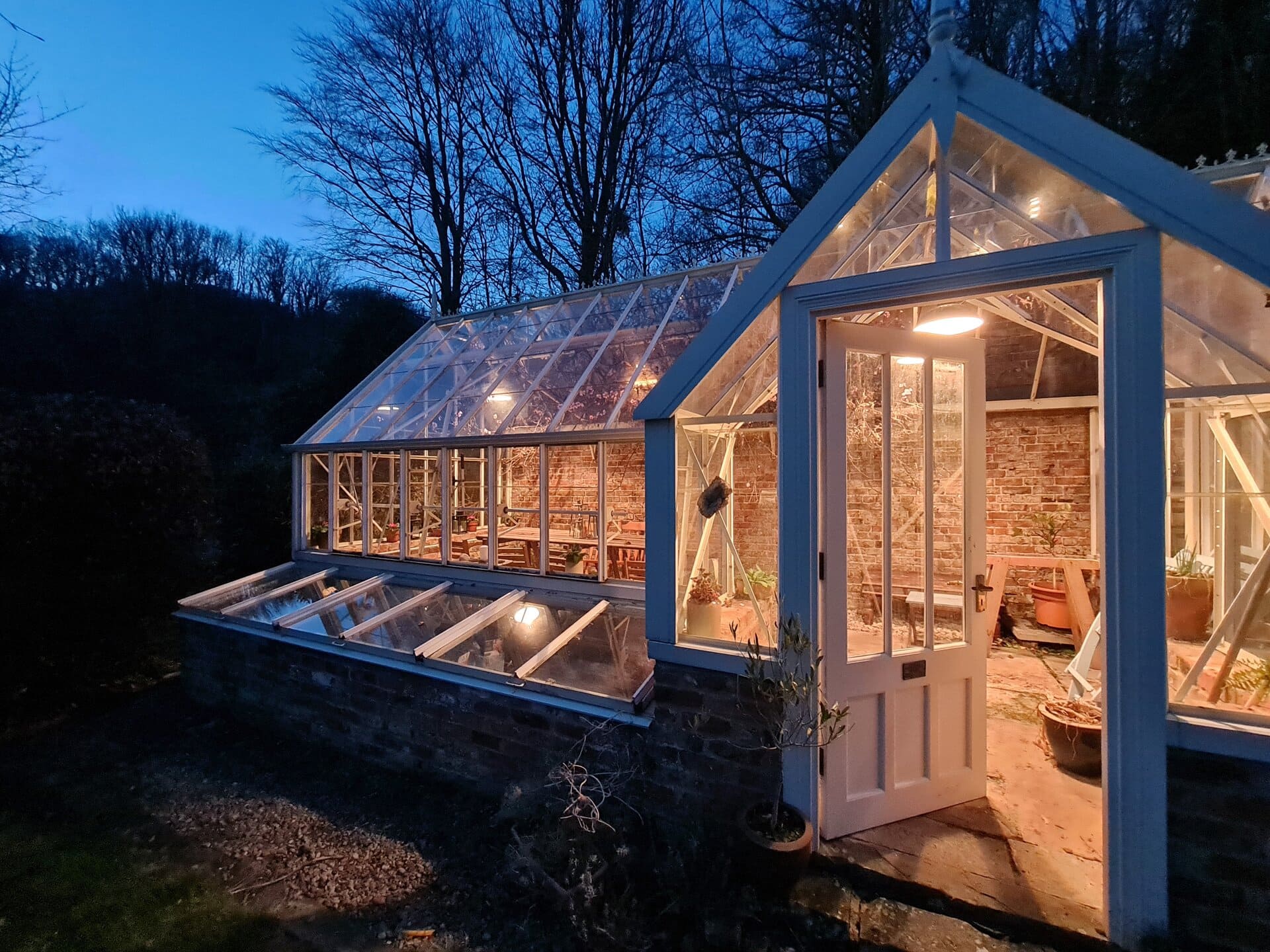
Dusking at Cliff House in Early Spring
You may have seen the word dusking appearing recently, particularly around the North York Moors Dark Skies Festival and coverage in The Guardian.
At its heart, dusking is straightforward.
It means sitting together at twilight and allowing the day to close naturally before switching on artificial lights.
No performance.
No formal ritual.
Just paying attention as daylight gives way to evening.
And in March, as winter loosens its grip and spring begins to return, it feels especially fitting.
Why Dusking Feels Different in Spring
In winter, darkness arrives quickly and decisively. In early spring, it lingers.
The light stretches a little further each evening. The shift from day to night is softer, less abrupt. You can sense the season turning.
At Cliff House Holiday Cottages, that transition is tangible.
The crocuses begin to show in the gardens. Snowdrops give way to new green growth. The air holds a little more warmth, even as the sun drops.
Dusking in March is not about embracing long nights.
It is about noticing the return of light.
By the Pond as the Season Turns
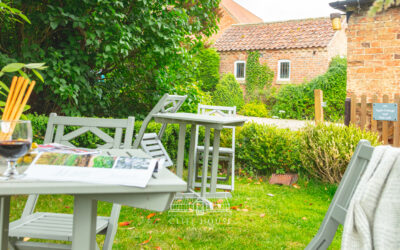
One of the simplest places to experience dusking at Cliff House is beside the pond.
In early spring:
-
The water reflects a paler sky
-
The first frogs begin to stir
-
Birdsong shifts from winter calls to territorial chatter
-
The orchard edges towards bud
As daylight fades, you can watch the colours change. Greens deepen. Reflections soften. The sky moves from blue to muted grey, then to indigo.
There is no rush to head indoors.
You sit.
You notice.
You let the day settle.
From King Alfred’s Cave in Wishing Well Wood
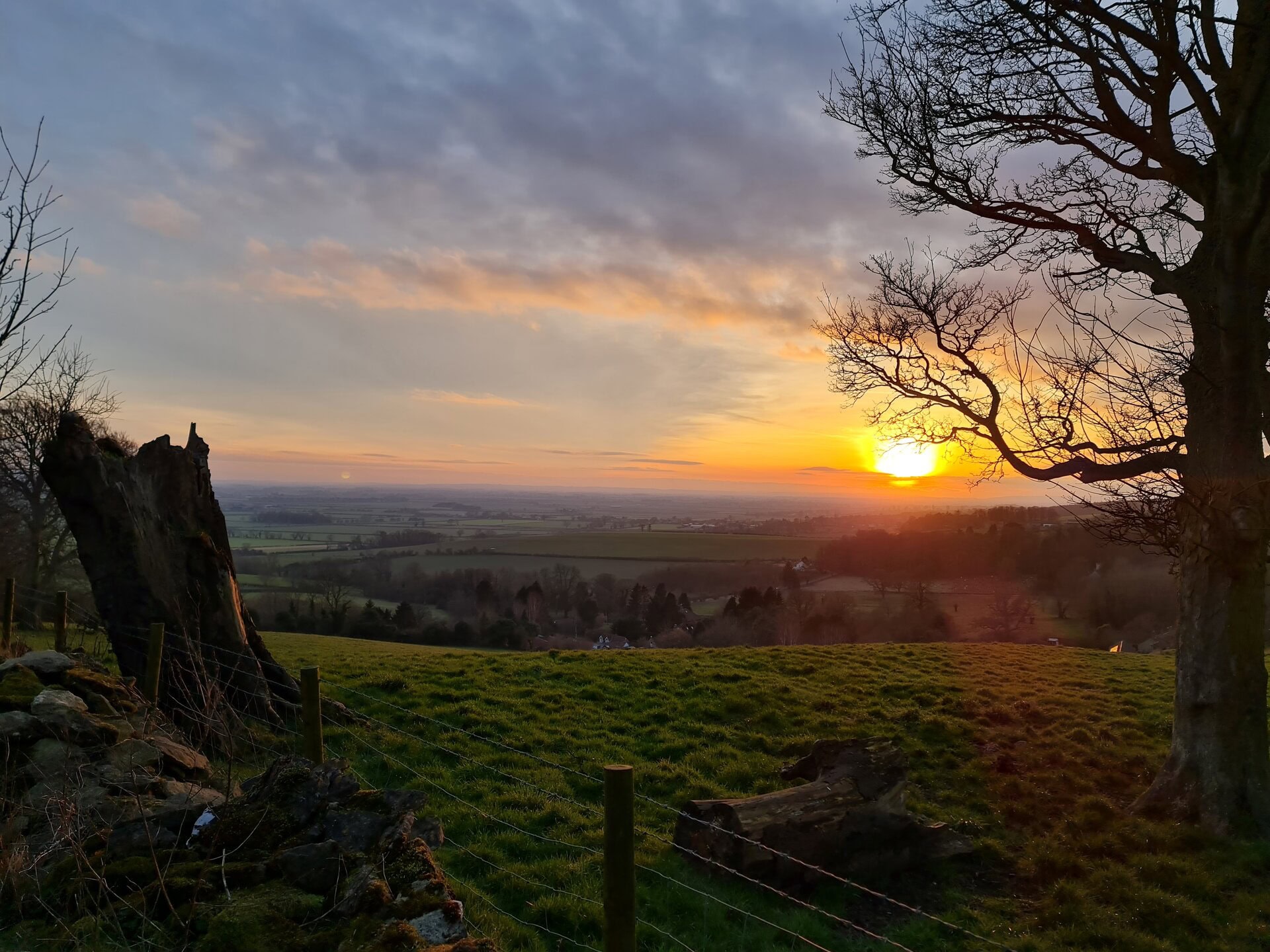
A short walk up through Wishing Well Wood brings you to King Alfred’s Cave, where the view opens out across fields and hedgerows towards the edge of the North York Moors National Park.
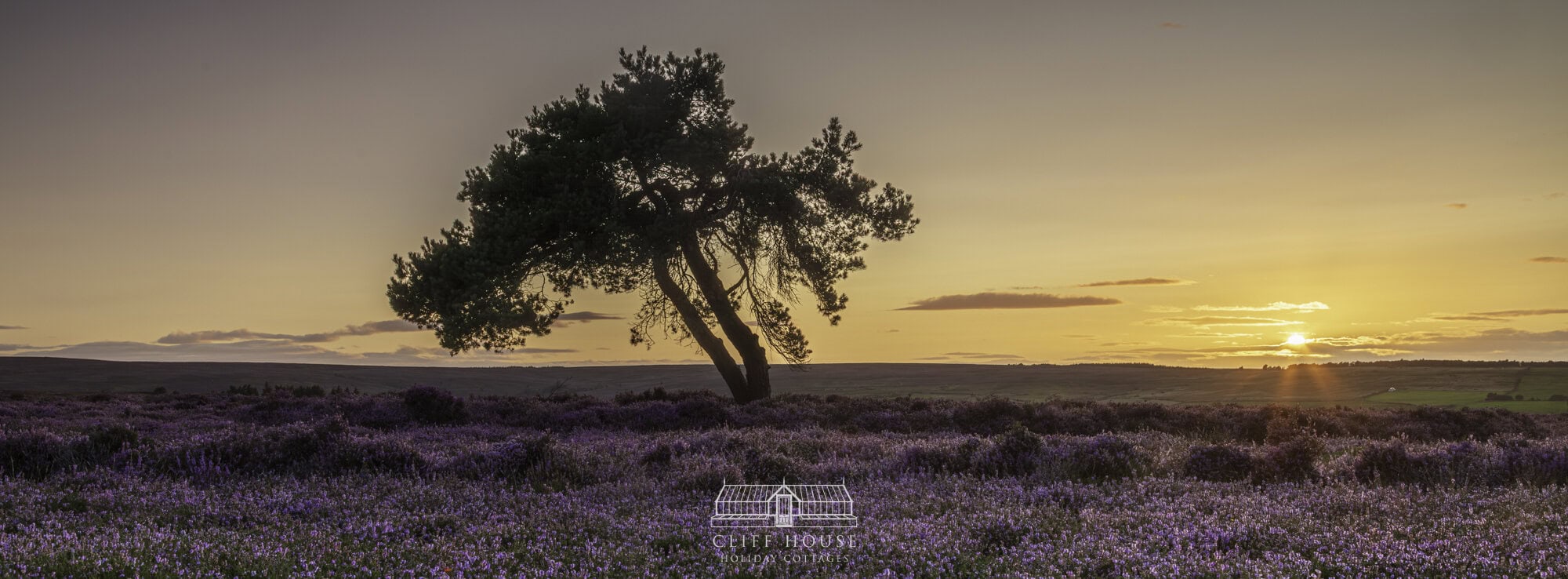
In March, the horizon often holds onto light longer than you expect. The sun dips, but the sky remains luminous. You can watch detail gradually soften across the landscape.
The first star appears earlier than in high summer, yet later than in January.
It is a season of balance.
That threshold moment between work and rest feels less like retreat and more like transition.
The Science Behind the Pause
As days lengthen, our bodies are adjusting too.
Allowing natural light to fade before switching on lamps supports circadian rhythms. It helps signal that evening is approaching without the abrupt extension of the day that artificial lighting creates.
In early spring, when light levels are shifting week by week, that gentle adjustment can be grounding.
It is not about darkness for its own sake.
It is about recalibrating to natural change.
How to Try Dusking During a Spring Stay
If you are staying at Cliff House, try this:
-
Step outside just before sunset
-
Sit by the pond or in the orchard
-
Walk up to King Alfred’s Cave
-
Leave your phone indoors
Pick one point in the landscape. A tree. A fence line. The edge of the moors. Watch how it changes over 20 to 30 minutes.
Notice the sounds as much as the light.
Spring evenings carry promise. You can feel growth beginning even as the day ends.
Not a Trend, Just Attention
Dusking may have a new name, and it may be framed as a revival of older Dutch habits, but the essence is timeless.
At Cliff House Holiday Cottages, with space, woodland and wide skies, the transition from day to evening is part of the experience.
In March, that transition is about emergence rather than endurance.
Longer days are coming.
Lighter evenings lie ahead.
And the pause between day and night is still there, waiting to be noticed.