Birdwatching on the North York Moors: Watching Lapwings and Their Camouflaged Chicks
The North York Moors is one of those places where birdlife still feels closely tied to the seasons. Spend any amount of time walking across the moors, farmland or open pasture in spring and early summer, and eventually you are likely to come across one of the area’s most recognisable birds: the lapwing.
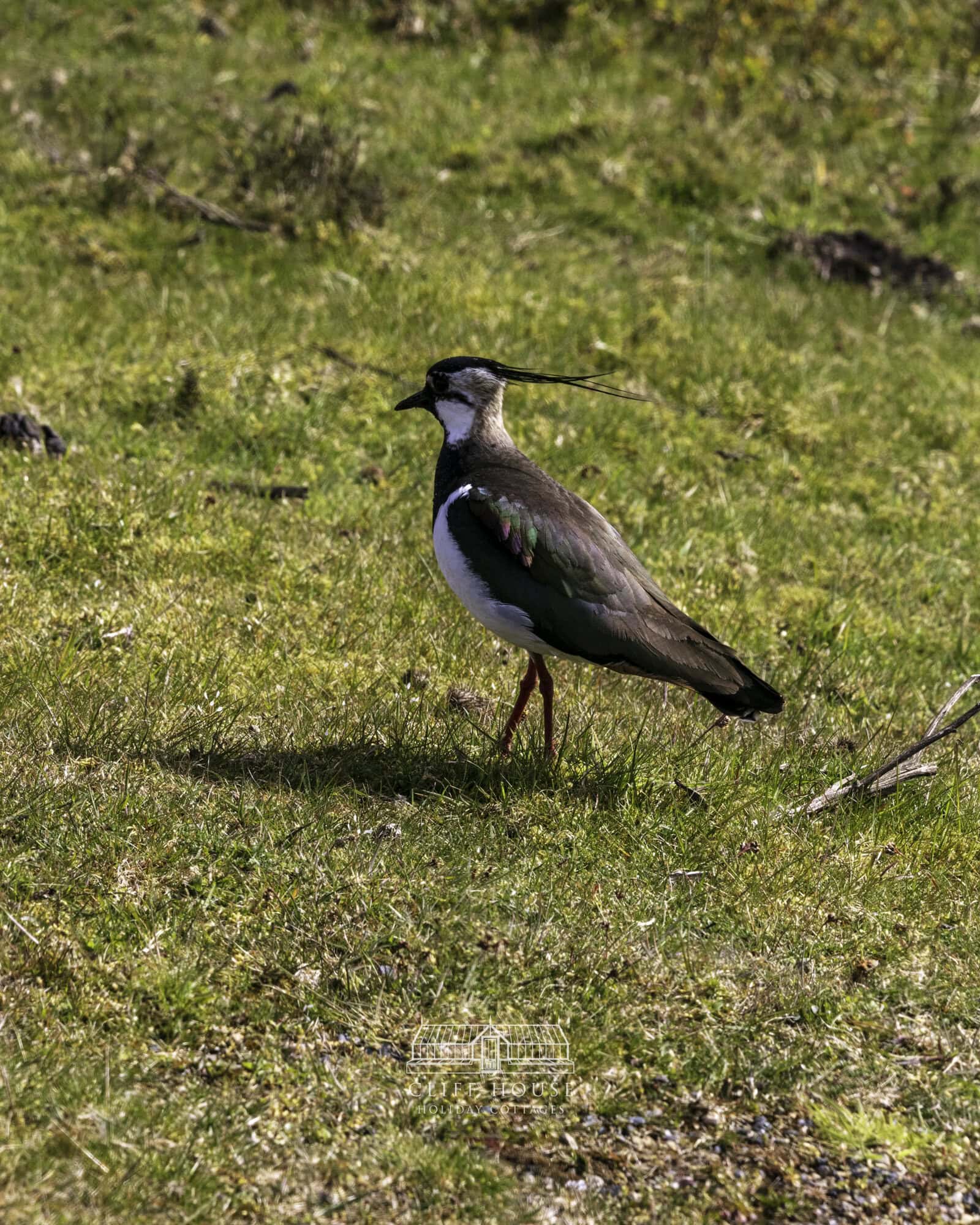
Sometimes called the “peewit” because of its distinctive call, the lapwing is a bird that immediately catches your attention. Not because it is brightly coloured, but because of the way it moves.
The Unmistakable Flight of a Lapwing
Lapwings do not fly in the steady, purposeful way many birds do. Instead they wheel, twist and change direction suddenly, almost as if they are being blown around by the wind. Watching a lapwing in flight can feel slightly chaotic, but it is this tumbling, unpredictable movement that makes them so distinctive over the fields and moorland edges.
Their black and white wings flash as they turn, often accompanied by their haunting call echoing across the landscape. During breeding season this aerial display becomes even more dramatic, with birds defending nesting territories and distracting potential predators away from their young.
For birdwatchers and photographers alike, they are fascinating birds to spend time observing.
Lapwing Nests and Chicks
Lapwings are ground-nesting birds, usually choosing open grassland, rough pasture or farmland. A typical clutch is four eggs, carefully hidden amongst the grass and vegetation.
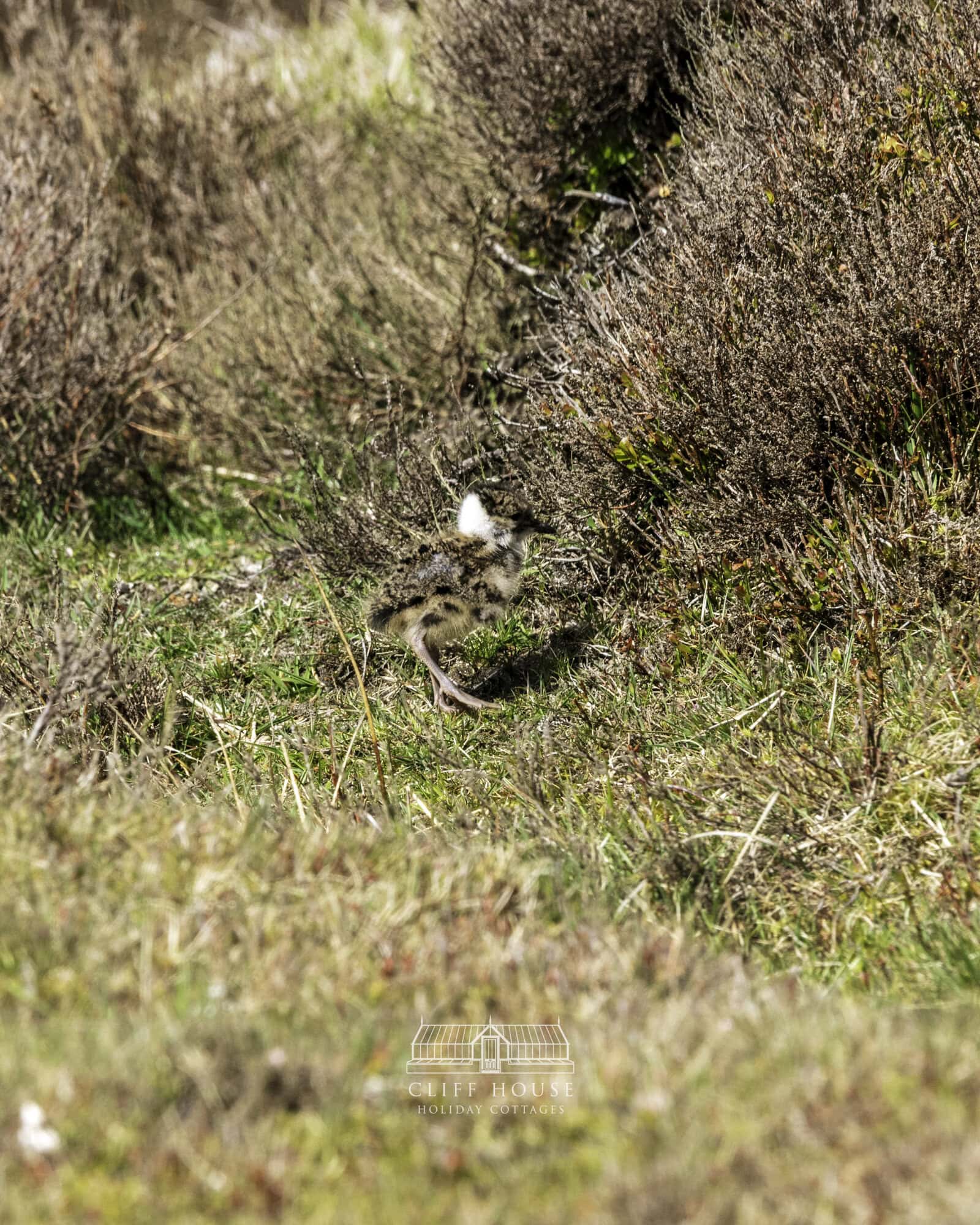
Once hatched, the chicks are surprisingly independent. Unlike many smaller birds that remain in the nest waiting to be fed, lapwing chicks leave the nest within hours of hatching. Covered in soft mottled down, they are able to walk and feed themselves almost immediately, although their parents continue to protect and guide them.
This independence is essential because nesting on the ground comes with risks. The chicks need to move, feed and stay hidden all at the same time.
Masters of Camouflage
One of the most remarkable things about lapwing chicks is how difficult they are to see.
Their mottled brown colouring blends perfectly into rough grass, mud and moorland vegetation. Even when you know a family is nearby, spotting the chicks can be incredibly difficult. Many people hear the warning calls of the parents long before they ever catch sight of the young birds themselves.
It is a useful reminder of why staying on footpaths and keeping dogs under control during nesting season matters so much on the moors. These birds rely heavily on camouflage and disturbance can quickly expose chicks to danger.
Birdwatching on the North York Moors
The North York Moors offers excellent opportunities for birdwatching throughout the year. Alongside lapwings, visitors may also spot curlews, red grouse, skylarks, kestrels and owls depending on the season and location.
Part of the enjoyment comes from slowing down and paying attention to what is around you. A walk across the moors can quickly become far more interesting when you stop to listen for birdsong or watch movement across the fields.
At Cliff House Holiday Cottages, we are well placed for exploring both the North York Moors and the Yorkshire coast, making it easy to spend a morning birdwatching on the moors before heading back for a swim, a coffee in the garden or an evening around the fire pit in Wishing Well Wood.
For many guests, it is these quieter moments with nature that become the most memorable part of a stay in North Yorkshire. Have a look at our availability.